
What's actually in your shower water?
It seems so obvious. You turn on the tap and clear water flows out. Clean, safe, and drinkable.
Yet, clear doesn't always mean pure. That water contains small amounts of substances that travel through pipes and treatment plants.
Tap water in many regions is considered hard water, meaning it contains higher levels of minerals such as calcium and magnesium. These minerals can lead to limescale buildup, often visible as a white residue on shower screens or faucets. What is less visible is that similar mineral deposits can also remain on the skin and hair, which may affect how they feel and respond to cleansing and care products.
In addition, tap water often contains residual traces of chlorine, metals like copper or lead, and sometimes microscopic particles from old pipes. These aren't immediately harmful, but can affect how your skin and hair feel over time.
Those who are sensitive often notice the difference after showering. Their skin may feel a bit drier or tight. Their hair may feel heavier or lose its natural shine.
These are small signs of what's in your water, things you don't see but feel every day.

What happens to your skin from hard water?
Minerals and soap combine to form a layer
In hard water, calcium and magnesium react with soap and cleansers, creating a thin layer that is harder to rinse off. This layer remains on the skin, preventing it from breathing properly and preventing it from retaining moisture.
The impact on the skin barrier
Your skin barrier protects against dehydration and irritation. When residues of minerals and cleansers remain, this barrier is disrupted. This makes the skin more vulnerable to dryness, redness, and sensitivity.
Research shows that people living in areas with hard water are more likely to experience dry skin, and that eczema is more common in children in those regions. The effects can be noticeable quickly, especially in sensitive skin.
What you may notice after showering:
Skin feels dry or tight;
Creams are less absorbed;
Red or irritated areas;
Skin appears rough or less supple.

What happens to your hair and scalp?
Minerals adhere to the hair
The minerals in hard water can adhere to the hair shaft and scalp, leaving residues that weigh hair down. Shampoo and conditioner are less effective because they are harder to spread or rinse out.
Studies have shown that hair washed with hard water for extended periods develops more deposits and a rougher texture. The difference is visible under a microscope, but many people also notice it in their hair.
How hair changes
- Hair feels coarser or heavier
- Natural shine disappears
- Color can fade faster, especially with dyed hair
- The scalp feels dry or itchy
The impact on the scalp
Just like skin, the scalp can also dry out due to minerals and soap residue. This can lead to flakes, itching, or a tight feeling. Furthermore, when hair rinses less thoroughly, product residue remains that can clog pores.
What you may notice:
- Increased itching or a tight feeling on the scalp
- Small flakes, especially after washing
- Hair that feels less fresh, even after showering
How does Klense purify?
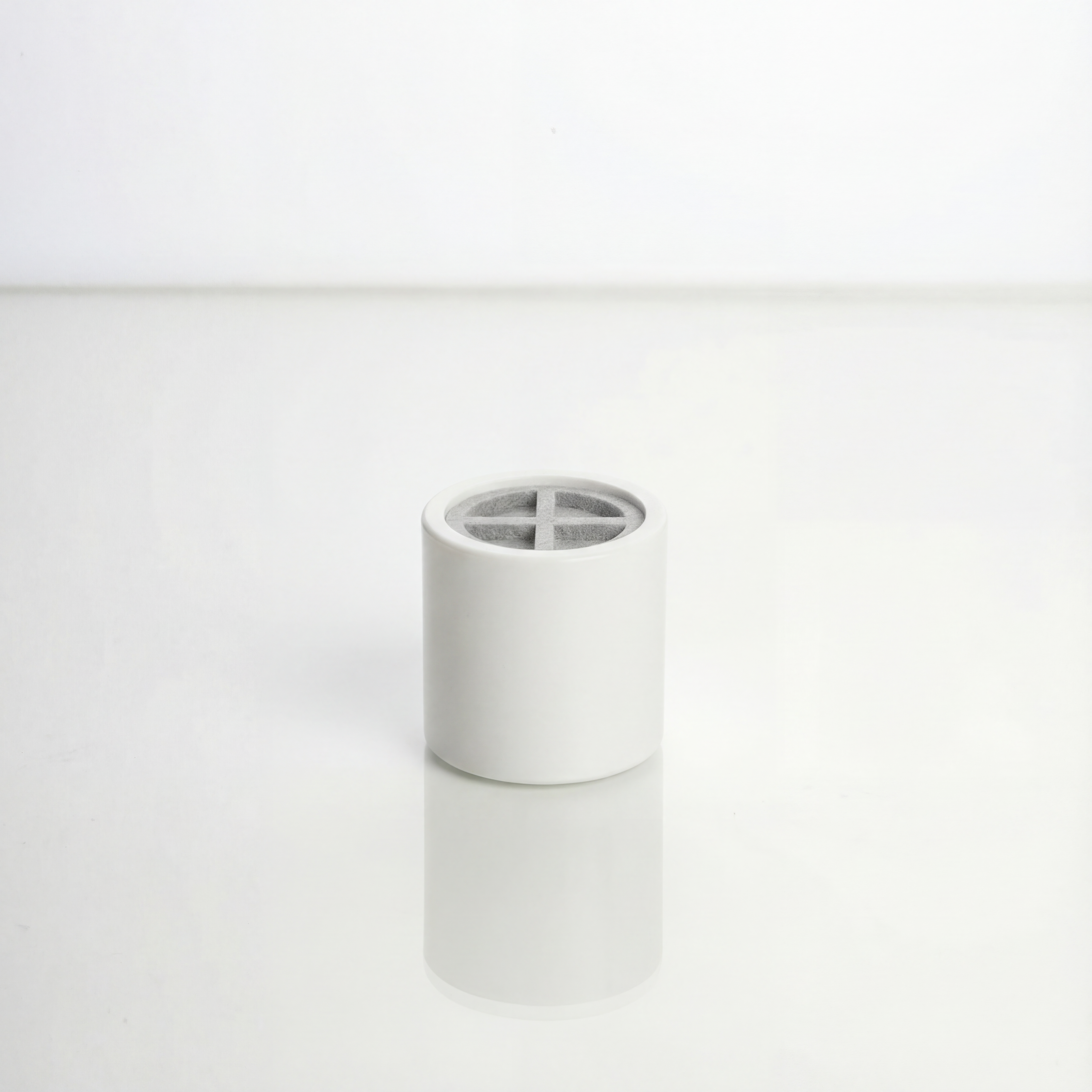
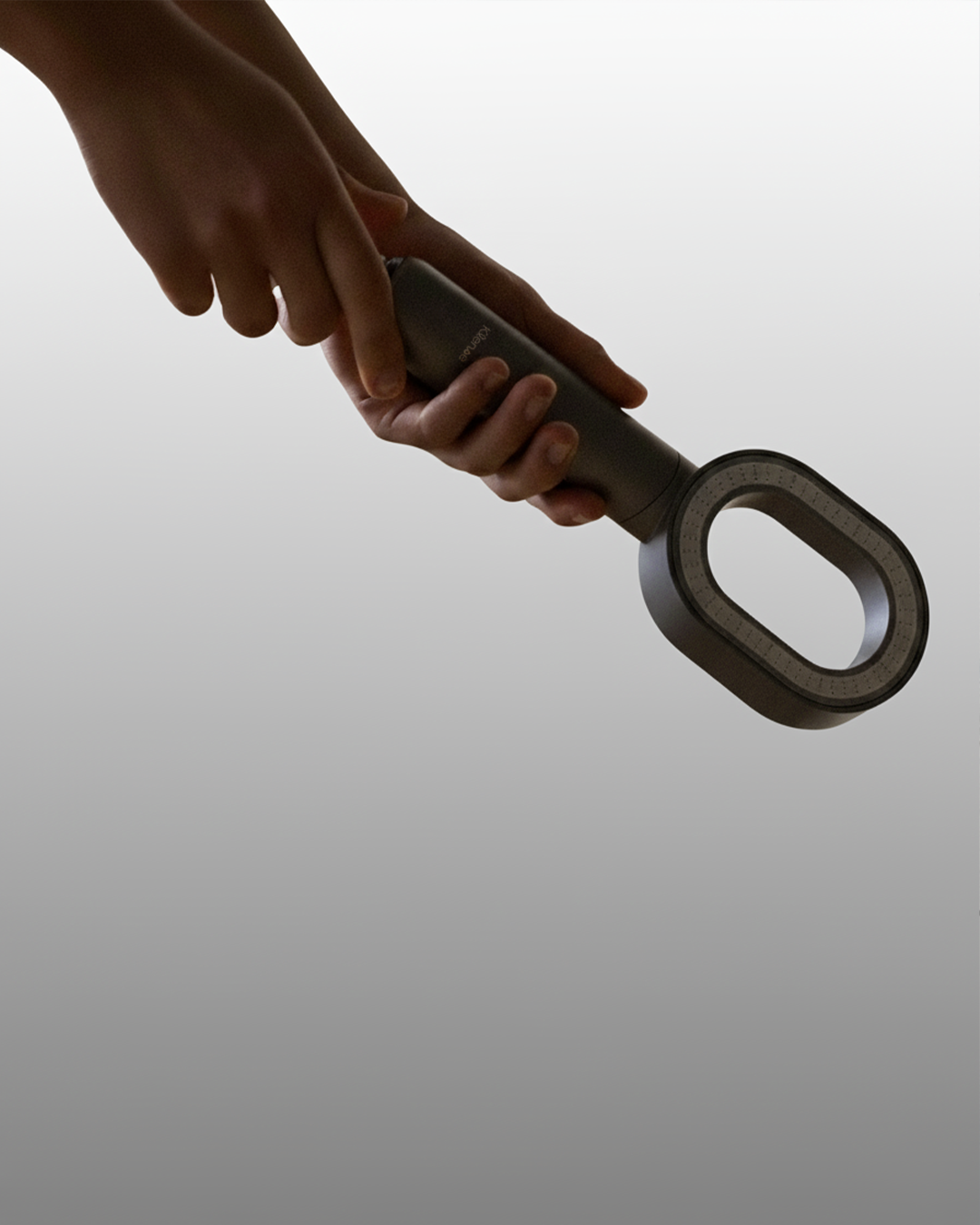
Every drop that flows through Klense is carefully filtered. The shower head contains a combination of activated carbon and vitamin C that purifies and enriches the water. These two elements work together to neutralize substances like chlorine, limescale, and metals, leaving the water that touches your skin and hair feeling softer and gentler.


Our Products


Klense Rain Shower


Klense Filter Showerhead


Hand Shower Refill Filter